Monogrid: A Typeface for the Modern Architect of Ideas
There's a moment in every design project where clarity meets conviction. You've nailed the concept, the color palette sings, but something feels… untethered. The visual language lacks a spine. This is where a typeface like Monogrid stops being a mere font choice and becomes the foundational grid your work has been missing. It’s not just about letters; it’s about imposing a deliberate, structured rhythm onto chaos, giving your ideas a form that feels both inevitable and strikingly contemporary.
Built on a Blueprint, Not Just a Curve
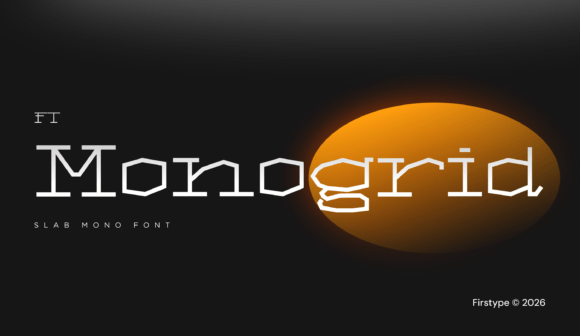
Monogrid’s power lies in its origin story. It’s a display typeface born from a rigid, modular grid system. Think of it less like a traditional calligraphic font and more like an architectural blueprint translated into typography. Each letterform is constructed with sharp terminals and balanced proportions, creating a visual consistency that’s immediately recognizable. This isn't a serif font whispering tradition, nor a playful script font evoking nostalgia. It’s a sans serif font that speaks the language of precision, tech, and forward momentum. The result is a bold, futuristic edge that commands attention without shouting, making it a potent design asset for anyone building a modern brand identity.
Where Structure Meets Strategy: Practical Applications
The true test of any premium font is how it performs in the wild. Monogrid’s modular nature isn’t a limitation; it’s a toolkit for building sophisticated visual hierarchies. Its clarity at large scales makes it a natural for projects where impact is non-negotiable.
- Branding & Logo Design: For tech startups, architectural firms, or contemporary streetwear labels, Monogrid provides the structural backbone for a logo. Its geometric integrity ensures the mark is scalable, from a tiny favicon to a towering storefront sign.
- Editorial & Web Design: Use the Regular weight for bold headlines in a magazine spread or on a blog. Pair it with a more neutral sans serif font for body text. The Italic style, with its subtle dynamism, works beautifully for pull quotes or subheadings that need to stand apart.
- Packaging & Merchandise: Imagine Monogrid on minimalist product packaging for a electronics brand or as the primary type on a bold graphic tee. Its clean lines ensure the message is instantly readable, whether on a shelf or from across the street.
- Digital Interfaces & Marketing: From app UI headers to social media graphics and digital ads, this font cuts through the noise. Its high-contrast forms are optimized for screen legibility, making your call-to-action or key message unmistakable.
The Art of Pairing and Practical Selection
Choosing the right style within the Monogrid family is your first strategic move. The Regular weight is your workhorse for maximum impact and clarity. The Italic introduces a controlled sense of motion and emphasis, perfect for differentiating content or adding a layer of sophistication. Don’t overlook this duality; using both styles in tandem allows you to build a clear, engaging hierarchy within a single, cohesive typographic system.
When it comes to font pairing, Monogrid appreciates balance. Its strong personality means it pairs best with typefaces that know how to step back. Consider a clean, neutral sans serif font like Inter or IBM Plex Sans for body copy. For a more editorial or luxurious feel, a classic, high-contrast serif font can create a beautiful tension. The key is to test these pairings in context. Mock up a full webpage layout or a packaging dieline. Does the Monogrid headline anchor the design without overpowering the supporting text? Does the overall system feel cohesive?
From Concept to Commercial Reality
A font is more than a set of letters; it’s a commercial font with licensing that governs its use. Before you embed Monogrid into a client’s website or print thousands of units of merchandise, it’s crucial to understand the license you’ve purchased. Most premium fonts, including Monogrid, offer different licensing tiers for desktop, web, app, and server use. This isn’t just legal fine print; it’s about respecting the craft of the type designer and ensuring your project is built on a solid, legal foundation.
Ultimately, Monogrid is a tool for the designer, entrepreneur, or creator who believes that structure is a form of liberation. It provides the rigid framework upon which you can build something uniquely expressive. Whether you’re drafting the identity for a new venture, designing a poster for an art show, or laying out a digital product, it offers a dependable, visually striking foundation. It doesn’t just display your words; it gives them a deliberate, resonant architecture. In a landscape cluttered with visual noise, that kind of clarity is not just useful—it’s essential.