Obituary: A Gothic Font with Modern Edge for Bold Designs
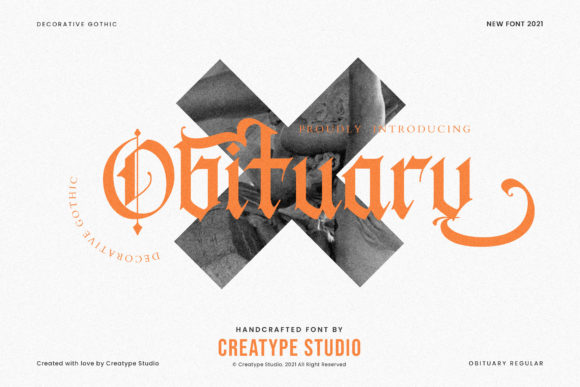
There's a particular kind of visual tension that grabs attention—the contrast between something ancient and something freshly contemporary. This is the space where the Obituary typeface operates. It takes the dramatic, high-contrast strokes of traditional blackletter calligraphy and filters them through a clean, modern lens. The result isn't a historical replica; it's a premium font built for today's creative landscape. For designers, entrepreneurs, and makers, it offers a way to inject immediate character, mood, and a touch of elegant rebellion into a project. Forget dusty archives; this is blackletter reimagined for logos, packaging, and digital screens.
More Than Just a "Gothic" Label
When we hear "gothic font," we might picture something overly ornate or difficult to read. Obituary sidesteps that pitfall. Its letterforms are simplified and geometricized, maintaining the powerful verticality and sharp angles of blackletter but with a trendy, almost minimalist sensibility. This makes it a surprisingly versatile display font. The unique shapes are instantly recognizable, helping to carve out a distinct brand identity that stands apart from the sea of clean sans-serifs and friendly scripts. It communicates strength, tradition with an edge, and a confident aesthetic.
The practical side is just as appealing. Being PUA encoded means every stylistic swash, alternate glyph, and decorative element is fully accessible. You're not just buying a basic character set; you're unlocking a toolkit of ornamental flourishes. This allows for immense customization. You can tailor headlines, initials, or logos to have a truly bespoke feel, swapping in a swash that perfectly complements your layout without needing advanced design software skills.
Where This Typeface Truly Shines: Practical Applications
Choosing the right creative font is about matching personality to purpose. Obituary's unique blend of elegance and edge makes it ideal for specific projects where mood and impact are paramount.
- Logo Design & Branding: For brands in niches like craft brewing, bespoke tailoring, tattoo studios, high-end barbershops, or luxury streetwear, this font can form the cornerstone of a memorable logo. It suggests heritage, craftsmanship, and a distinctive attitude.
- Packaging & Merchandise: Imagine this font on coffee bag labels, bottle labels for small-batch spirits, or branding for artisanal chocolate. On merchandise like t-shirts, hats, or posters, it translates exceptionally well, offering a vintage yet modern vibe that resonates with audiences seeking authenticity.
- Editorial & Digital Layouts: Use it for impactful chapter titles in a book, dramatic pull quotes in a magazine, or as a striking header on a website homepage. Paired with a clean, legible serif font or sans serif font for body copy, it creates a dynamic visual hierarchy that guides the reader's eye.
- Event & Marketing Collateral: From concert posters and festival branding to wedding invitations with a dark romantic theme, Obituary sets a powerful tone. It’s equally effective for social media graphics, making announcements or quotes pop in a crowded feed.
Pairing and Readability: Making It Work
A font's power is often realized in combination. Obituary demands a thoughtful partner. Because it's a high-impact display typeface, it should never be used for long paragraphs of body text. Its role is to command attention in headlines, titles, and short, impactful statements.
The key to successful font pairing is contrast. Balance its ornate complexity with simplicity:
- With a Simple Serif: A classic serif like Georgia or a modern one like Playfair Display can bridge the old and new, offering elegance and excellent readability for subheadings or body text.
- With a Clean Sans Serif: This is often the most effective combination. A font like Lato, Open Sans, or Montserrat provides a neutral, highly legible canvas that lets Obituary's personality take center stage without visual competition.
Always test your pairings at the actual size they'll be used. Ensure there's enough size difference between the display font and the text font to maintain clear hierarchy. Check that the x-height and overall color (the density of black on the page) don't clash awkwardly.
From Screen to Print: Ensuring a Professional Finish
One of the biggest advantages of a well-crafted commercial font like this is its reliability across mediums. Whether you're designing a digital product, a social media ad, or a printed brochure, the glyphs should render crisply.
Before finalizing any project, do a quick audit:
- Review All Styles: Does the font family include a full set of punctuation, numerals, and language support for your needs? Explore the alternate characters and swashes—these are often the secret weapon for creating unique lockups.
- Test for Context: A font that looks stunning on a dark background for a music poster might need adjustment for a light-themed website. Test its legibility in your intended color palette and background.
- Licensing Matters: If you're using it for a client project, merchandise for sale, or a digital product, confirm the license covers your intended use. Reputable foundries are clear about this, preventing legal headaches down the line.
Ultimately, typography is a silent ambassador for your message. A typeface like Obituary doesn't just spell out words; it conveys an entire aesthetic. By understanding its personality and applying it with strategic intention, you can transform a standard project into something with enduring character and professional polish, ensuring your visual communication is as compelling as the ideas behind it.