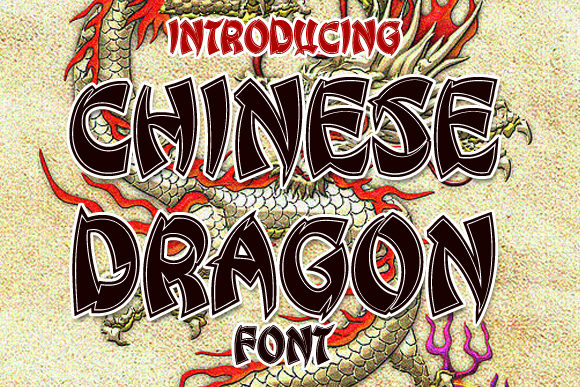
Unleashing Tradition: The Bold Aesthetic of the Chinese Dragon Typeface
There is an undeniable power in the ink strokes of traditional Asian calligraphy, a movement that suggests both the fluidity of water and the strength of stone. For designers looking to capture that specific energy without relying on generic stereotypes, finding the right typography is essential. Chinese Dragon is not just another display font; it is a design asset that channels the spirit of ancient script into a format ready for modern branding, packaging, and digital media. It strikes a rare balance between being extremely beautiful and unapologetically bold, making it a standout choice for anyone who wants their text to make a statement rather than just convey information.
The Visual Language of Ink and Motion
What sets Chinese Dragon apart from standard serif or sans serif fonts is its construction. It draws direct inspiration from the "Kaishu" or regular script style found in traditional calligraphy, but it amplifies the weight and presence of each letter. You will notice that the typeface features sharp, chiseled edges reminiscent of a brush tip pressed firmly against paper. This gives the font a high-contrast look where thick and thin strokes play off one another, creating a dynamic rhythm on the page.
For the content creator or small business owner, this visual language translates to immediate personality. Unlike a neutral sans serif font that blends into the background, Chinese Dragon steps into the foreground. It carries a sense of heritage and craftsmanship. If you are working on a project that requires a "premium font" feel—something that looks expensive and well-considered—this typeface delivers that aesthetic without needing complex design overlays. The characters are wide and commanding, ensuring that your headers, titles, and logos anchor the design layout effectively.
Strategic Applications for Brand Identity
Typography is the voice of your brand, and choosing a font like Chinese Dragon is a specific stylistic choice that works best when aligned with the right industry or mood. It is particularly effective for projects that need to convey strength, tradition, or a connection to nature.
Consider the world of packaging design. If you are launching a line of artisanal teas, craft spirits, or gourmet sauces, the Chinese Dragon typeface can instantly communicate the product's authenticity. It looks stunning when foil-stamped on a dark matte label or embossed on textured paper. Because the font is bold, it remains legible even when used at smaller sizes on the back of a bottle or a small sticker, though it truly shines as a hero element on the front.
For restaurant branding and menu design, this font avoids the clichés of "takeout menu" typography. Instead, it offers a sophisticated, modern take on Asian-inspired design. It works beautifully for headers on a website, dividing sections of a menu, or creating a logo that feels established and trustworthy.
Even outside of food and beverage, creative entrepreneurs are using display fonts with calligraphic roots for merchandise. Imagine this typeface printed on the back of a heavyweight hoodie or a tote bag. The bold strokes ensure visibility from a distance, making it a great choice for apparel branding where the text acts as a graphic element in itself.
Practical Guide to Pairing and Readability
Because Chinese Dragon is an expressive display font, it requires a thoughtful approach to font pairing. You generally do not want to pair a complex, bold display font with another decorative typeface, as this creates visual noise. Instead, the goal is contrast and clarity.
The most effective strategy is to pair Chinese Dragon with a clean, legible sans serif font for your body copy. Fonts with high x-heights and simple geometric shapes work best here. For example, using Chinese Dragon for your main headline and a font like Montserrat, Open Sans, or Roboto for the paragraph text creates a hierarchy that is easy for the eye to follow. This ensures your brand identity looks professional while maintaining the artistic flair of the header.
When it comes to readability, context is key. This typeface is designed for short-form impact. It is perfect for logo design, hero banners, pull quotes, and social media graphics where you only have a few seconds to grab attention. Avoid using it for long paragraphs of body text; while it is legible for a display font, its artistic weight can make reading dense copy tiring for the user.
Digital and Print Versatility
One of the challenges with decorative fonts is that they can sometimes lose detail when scaled down for web use or printed on low-resolution devices. However, the bold nature of Chinese Dragon makes it surprisingly versatile across different mediums.
In web design, it renders sharply on high-definition screens. It is an excellent choice for H1 or H2 tags on a landing page, particularly for industries like fitness, martial arts, travel, or luxury goods. The font’s strong verticals and distinct curves help maintain structural integrity on mobile devices, ensuring your site looks cohesive whether viewed on a desktop or a smartphone.
For print materials, such as invitations or editorial layouts, the font handles large scaling exceptionally well. If you are designing a poster for an event or a magazine cover, the intricate details of the brush-stroke style become visible, adding a layer of texture to the design. It provides that "ink-on-paper" feeling that digital-first designers often struggle to replicate.
Commercial Licensing and Asset Management
For designers and agencies, understanding the licensing of a commercial font is just as important as its visual style. When selecting a typeface like Chinese Dragon for client work—whether it is for a global ad campaign or a local small business logo—you must ensure the license covers commercial use.
Most premium font licenses are sold as "desktop licenses," which allow you to install the font on your computer and create static images (like logos, print ads, and merchandise). However, if you plan to use the font on a website using CSS @font-face, or if you are creating a mobile app, you often need a separate "web" or "app" license. Always review the specific End User License Agreement (EULA) provided by the foundry or marketplace. This protects your client from legal issues down the road and ensures the type designer is compensated for their craft.
Furthermore, consider the file formats provided. A high-quality font package should include OpenType (.OTF) or TrueType (.TTF) files. Look for fonts that include stylistic alternates or ligatures. These extra characters can be the difference between a standard layout and a custom-looking design, allowing you to tweak the typography to fit your specific creative font needs.
Ultimately, Chinese Dragon is more than just a collection of glyphs; it is a tool for visual storytelling. By leveraging its bold, calligraphic nature, you can create designs that feel both timeless and immediate, connecting with your audience through a visual language that transcends trends. Whether you are designing a logo for a new startup or crafting a social media campaign, this typeface offers a distinct voice that commands attention.