The Warmth of Charles Outline: A Handwritten Font for Cozy Designs
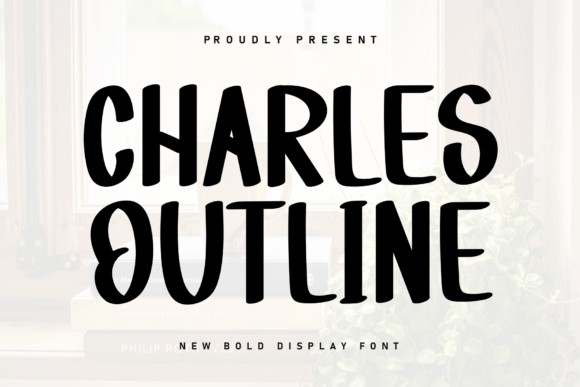
There’s a certain magic in a design that feels personal and approachable. In a landscape often dominated by sharp, digital precision, a touch of human warmth can make all the difference. This is where a font like Charles Outline steps in, not as a mere tool, but as a character in your visual story. It’s a sweet and beautiful handwritten font featuring characters that dance along the baseline, designed to add a cozy, inviting accent to any project it graces.
Think of it as the typographic equivalent of a hand-lettered note or a chalkboard sign at your favorite café. The slightly irregular, flowing letterforms carry an inherent authenticity that a perfectly geometric sans serif simply cannot replicate. For designers, entrepreneurs, and creators, this font isn't just about displaying words; it's about evoking a specific feeling—one of comfort, creativity, and genuine connection.
More Than Just Pretty Letters: The Visual Appeal of a Dancing Baseline
What sets Charles Outline apart from a standard script or handwritten font? Its defining characteristic is the subtle, rhythmic movement of its letters. They don’t sit rigidly on a straight line; instead, they rise and fall with a gentle, organic flow. This “dancing baseline” mimics the natural imperfections of real handwriting, where pressure varies and letters connect in fluid motions.
This visual trait does more than please the eye. It injects energy and personality into headlines, logos, and quotes. When used thoughtfully, it can guide a viewer’s eye across a page or screen, creating a natural reading rhythm. The outline style itself adds another layer of versatility. It can be filled with solid color, a gradient, or even a subtle texture, allowing it to adapt to different design contexts—from minimalist branding to richly layered social media graphics.
Where Charles Outline Truly Shines: Practical Applications
A font’s real value is measured in its utility. Charles Outline is a versatile player in a designer’s toolkit, suitable for a wide array of creative and commercial projects. Its friendly demeanor makes it particularly effective where human connection is key.
- Branding & Logo Design: For small businesses, artisanal brands, or personal blogs, this font can form the core of a warm, approachable brand identity. Imagine it for a boutique bakery, a handmade jewelry shop, or a wellness coach’s logo. It communicates care and craftsmanship instantly.
- Packaging Design: On product labels, boxes, or tags, a handwritten font like this adds a tactile, premium feel. It works beautifully for product names, short descriptions, or promotional callouts on everything from coffee bags to cosmetics.
- Social Media & Digital Content: In the fast-scroll world of Instagram or Pinterest, a distinctive typeface stops the thumb. Use Charles Outline for Instagram quotes, story highlights, YouTube thumbnails, or Facebook ad graphics to stand out with personality.
- Web Design & Blogs: While not for body text, it’s perfect for website headers, blog post titles, or pull quotes. It can break up the monotony of standard web fonts and inject character into a digital space.
- Print & Editorial: From wedding invitations and greeting cards to magazine headlines and book chapter titles, it brings an elegant, personal touch. Its outline form can create stunning effects when layered over images or patterns.
- Merchandise & Marketing Assets: Think tote bags, mugs, posters, and flyers. A catchy phrase or a brand name in Charles Outline can transform ordinary merchandise into something desirable and shareable.
Strategic Typography: Using Charles Outline Effectively
While a beautiful font is a great start, using it strategically is what elevates a design from good to great. Here’s how to integrate Charles Outline into your work with purpose.
Pairing for Balance: The expressive nature of a display font like Charles Outline means it rarely works well alone for large blocks of text. The key is thoughtful font pairing. Combine it with a clean, highly readable serif or sans serif font for body copy. For example, pair it with a classic serif like Lora for a traditional feel, or a modern sans serif like Montserrat for a fresh, contemporary look. The contrast lets each font do its job—one for flair, one for clarity.
Context is King: Consider the medium and the message. Is it for a quick social media graphic where impact is everything, or for a formal wedding invitation where elegance is paramount? The size, color, and spacing (kerning) may need adjustment based on the application. Always test your design in its intended environment—view a web header on multiple devices, or print a proof of a flyer.
Readability Considerations: Handwritten fonts can pose legibility challenges at small sizes or in long phrases. Use Charles Outline for short, impactful text: a headline, a logo, a single word of emphasis. Avoid using it for paragraphs or detailed instructions. If you’re using the outline style, ensure sufficient contrast between the letter stroke and the background for it to be easily discernible.
Exploring the Full Character Set: A premium font often comes with more than just basic letters. Take time to explore what Charles Outline includes. Does it have alternates (different versions of the same letter), swashes, or ligatures (special connected letter pairs)? Using these features can add custom flair and prevent the font from looking generic or repetitive across your projects.
Building a Cohesive Visual Language
Consistency is the bedrock of strong brand recognition. When you select a core typeface like Charles Outline for a project or brand, you’re not just choosing a pretty font—you’re choosing a visual ambassador. Using it consistently across your logo, website, packaging, and social media creates a unified look that becomes instantly recognizable to your audience.
This consistency builds trust. It tells your audience that you pay attention to detail and have a clear, cohesive identity. Whether they encounter your brand on a product label or a digital ad, the familiar, friendly letterforms create a seamless experience. It transforms disparate touchpoints into a single, memorable brand story.
Before fully committing, always check the font’s licensing. Ensure the license—whether it’s a desktop license for print work or a webfont license for online use—covers your specific commercial applications. Understanding these details protects your project and ensures you can use the font confidently across all your creative endeavors.
In the end, a typeface like Charles Outline is more than a design asset; it’s a tool for connection. It allows you to communicate with warmth, authenticity, and a touch of artistry, making your message not just seen, but felt.