Sprinkle: The Art of Understated Typography
In a world saturated with bold, loud, and sometimes overwhelming visual noise, there’s a quiet power in simplicity. We often reach for the most intricate or trendy typeface, assuming it will grab attention. But what if the most compelling statement is a whisper, not a shout? What if a design could feel personal, approachable, and effortlessly elegant without trying too hard? This is the space that certain thoughtfully crafted typefaces occupy, offering a breath of fresh air for projects that demand a human touch. They bridge the gap between the precision of digital design and the warmth of a hand-lettered note, creating a connection that feels genuine and immediate.
A Typeface with a Gentle Presence
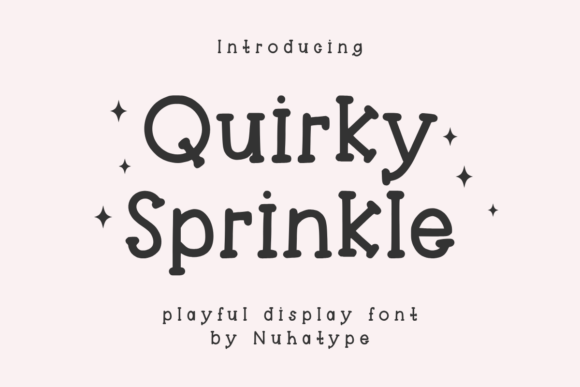
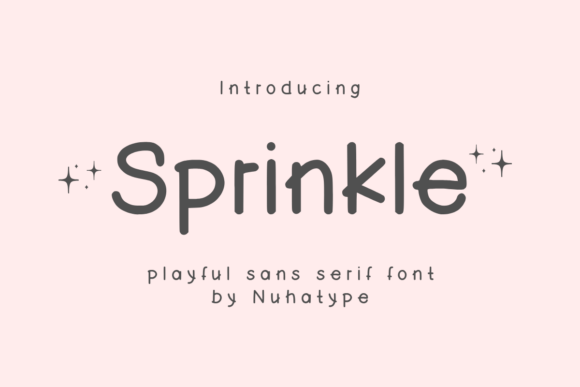
This particular thin sans serif font embodies that philosophy perfectly. Its core visual appeal lies in its graceful mimicry of natural handwriting. The letterforms are clean and minimalist, avoiding the heavy, blocky feel of many traditional sans serifs. Instead, they carry a delicate, almost airy quality. The strokes are consistent yet soft, allowing for excellent readability even at smaller sizes. This isn’t a font that screams for attention; it invites you in. It feels familiar, like the handwriting of a friend, which makes it incredibly versatile for applications where you want to establish a personal rapport with your audience. Its elegance isn’t derived from complex flourishes, but from its confident restraint and balanced proportions.
From Digital Screens to Tangible Goods
The true test of a creative font is its performance across diverse mediums. This typeface shines in the digital realm, offering a clean and modern feel for website headers, blog post titles, and social media graphics. It pairs beautifully with both serif and sans serif body fonts, creating a harmonious hierarchy that guides the reader’s eye. For content creators, it can make Instagram quotes or Pinterest pins feel more curated and authentic. On a website, it contributes to a professional yet approachable brand identity, avoiding the coldness that some corporate typefaces can project.
Yet, its magic truly unfolds in print and physical products. Imagine it on the cover of a journal or a KDP interior design—its simplicity complements the content without competing with it. For crafters using cutting machines, the font’s clean lines ensure precise cuts for stickers, labels, and intricate decals. Picture it on a minimalist wedding invitation, where it sets a tone of refined romance. Or consider its application on merchandise: etched onto a tumbler, printed on a tote bag, or featured on a ceramic mug, it transforms everyday objects into personalized art pieces. It’s the kind of typography that makes a product feel thoughtfully designed and intentionally crafted.
Building a Cohesive Brand Narrative
For entrepreneurs and small business owners, selecting the right typography is a foundational branding decision. A typeface is a visual voice, and this one speaks with clarity, warmth, and sophistication. Using it consistently across your logo, packaging, marketing materials, and social media creates immediate visual consistency. This repetition builds brand recognition; customers will start to associate that gentle, handwritten aesthetic with your business. It tells a story of a brand that values authenticity, attention to detail, and approachable quality.
Think about packaging design for a boutique skincare line, a artisanal food product, or a handmade candle. This font conveys the care and quality inside the box without overwhelming the label. For a logo, it can be particularly effective for brands in wellness, lifestyle, home décor, or stationery, where a personal connection is key. It’s a premium font choice that signals a certain sensibility—one that prioritizes substance and genuine connection over flashy trends.
Practical Tips for Implementation
Integrating a new typeface into your workflow requires a bit of strategy. First, always test it in context. Mock up your design on the actual medium—see how it looks on a phone screen, a printed flyer, or a physical product sample. Pay attention to readability at various sizes, especially for smaller applications like product labels or footer text. Its thin nature means it might require a slightly larger size or more generous line spacing than a heavier font for optimal legibility.
Font pairing is where the real design synergy happens. This typeface works wonderfully as a heading or accent font. Try pairing it with a sturdy, neutral sans serif for body text, or a classic serif for a more editorial feel. The contrast in weight and style creates visual interest and hierarchy. Don’t be afraid to experiment with the included font styles—often, a family will include regular, bold, italic, or alternate characters that can add subtle variety to your designs.
Finally, for any commercial project, always verify the licensing. Ensure the font license covers your intended use, whether for client work, print-on-demand merchandise, or digital products for sale. Understanding these terms upfront protects your business and ensures you can use your design assets with full confidence. The right typography isn’t just about aesthetics; it’s a functional tool that, when used thoughtfully, elevates the entire project, making your work look more professional and your message more resonant. It’s a small detail that makes a significant difference in how your audience perceives and engages with your brand.