Playdate: The Elegant Script for Modern Creative Projects
There's a certain magic in a font that feels both personal and polished. You know the one—it carries the warmth of a handwritten note but with the clean lines of professional design. For anyone building a brand, crafting an invitation, or designing a social media post, finding that balance is everything. That's where a typeface like Playdate enters the conversation, offering a fluid, sophisticated script that bridges the gap between intimate charm and contemporary elegance.
Understanding the Visual Character of This Typeface
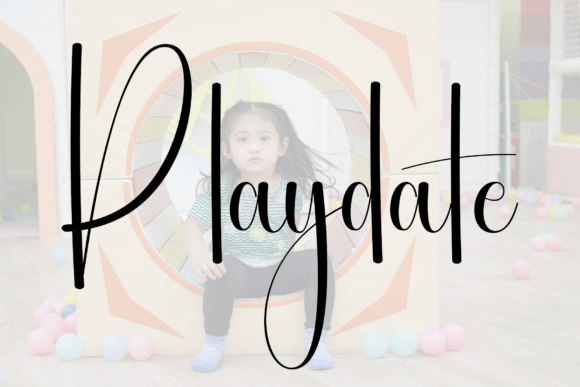
At its core, Playdate is a handwritten script font, but it avoids the common pitfalls of casual scripts. The letterforms connect with a natural, flowing rhythm, yet each character maintains a clarity that prevents the text from looking messy or overly whimsical. The strokes have a subtle variation, mimicking the pressure of a pen on paper, which gives it an authentic, human quality. This isn't a font that shouts; it speaks with a confident, refined whisper. Its modern sensibility comes from its balanced proportions and the absence of overly ornate swashes, making it feel current rather than retro. This visual personality makes it a versatile creative font for projects that need to convey approachability without sacrificing sophistication.
Where This Script Truly Shines: Practical Applications
The true test of any premium font is how it performs in real-world scenarios. Playdate's elegant fluidity makes it a standout choice for specific applications where tone and emotion are key.
- Luxury Wedding Stationery & Invitations: This is its natural habitat. The font's graceful flow is perfect for invitation design, from save-the-dates to day-of signage. It evokes romance and personal touch, setting an immediate tone for an intimate, high-end event.
- Brand Identity for Lifestyle & Boutique Businesses: For a boutique hotel, a high-end florist, a personal stylist, or a artisanal bakery, Playdate can become a cornerstone of the brand identity. Used in a logo or on packaging, it communicates a brand that values quality, detail, and a personal connection with its clientele.
- Editorial & Publication Design: In editorial design, a script like this adds a layer of visual interest. Think pull quotes in a magazine, chapter titles in a lifestyle book, or the signature on a high-end blog post. It breaks up blocks of serif font or sans serif font text, guiding the reader's eye and adding a touch of authorial voice.
- Digital Marketing & Social Media Graphics: On platforms like Instagram or Pinterest, first impressions are visual. Playdate can elevate a simple quote graphic, a sale announcement, or a story highlight cover. It helps create a cohesive and recognizable aesthetic for your feed, which is a key part of social media graphics strategy.
- Packaging & Merchandise: From labels on artisanal candles to tags on handmade clothing, this display font can make a product feel special. It’s equally effective on merchandise like tote bags or mugs, where a short, impactful phrase needs to look effortlessly stylish.
Integrating Playdate into Your Design Workflow
Choosing a font is just the first step. Using it effectively is what separates good design from great. Here’s how to approach working with a script like Playdate.
Pairing for Contrast and Hierarchy
A script font rarely works well for body copy. Its strength is in headlines, subheads, and accents. The key is to pair it with a highly readable, neutral typeface. A clean sans serif font like Montserrat or a classic serif font like Lora creates a beautiful contrast. Use Playdate for your main headline or a key phrase, and let the paired font handle the supporting text. This establishes a clear visual hierarchy and ensures your message is both beautiful and readable.
Testing for Readability and Context
Always test your chosen font in the actual context of your project. A size that looks perfect on your desktop might be illegible on a mobile phone screen. Print a sample of your invitation or business card. Does the light stroke weight disappear? Check the spacing between letters (kerning) and words. For web design, ensure it loads correctly and renders clearly on different browsers. A little testing upfront prevents frustration and ensures your final product looks professional.
Considering the Full Font Family
Many commercial fonts, including quality scripts, come with more than just the standard weight. Look for alternate characters, ligatures (special connected letter pairs), and stylistic sets. These features allow you to customize the look further. For instance, you might swap out a standard 'g' for a more ornate version to better match your project's mood. Reviewing the full character map is a simple step that unlocks more creative potential.
Navigating Commercial Licensing
This is a critical, often overlooked step. If you're using the font for any project that will generate revenue—whether it's a client's logo, a product you sell, or a website for your business—you need a commercial license. The license that comes with a free download typically only covers personal use. Always purchase the appropriate license from the font's creator or a reputable marketplace. This not only keeps you legally compliant but also supports the designers who create these valuable design assets.
Making a Lasting Impression with Thoughtful Typography
In the end, typography is about communication. The fonts you choose are a direct reflection of your project's quality and personality. A typeface like Playdate offers a specific tool: the ability to inject warmth, elegance, and a human touch into modern design. It won't be the right fit for a tech startup's annual report, but for a wedding planner's portfolio, a coffee shop's menu, or a lifestyle brand's Instagram stories, it can be the detail that ties everything together. By understanding its character, testing its limits, and pairing it thoughtfully, you can use it to create visuals that don't just look good—they feel right.