Planner Book: The Quirky Handwritten Font for Creative Joy
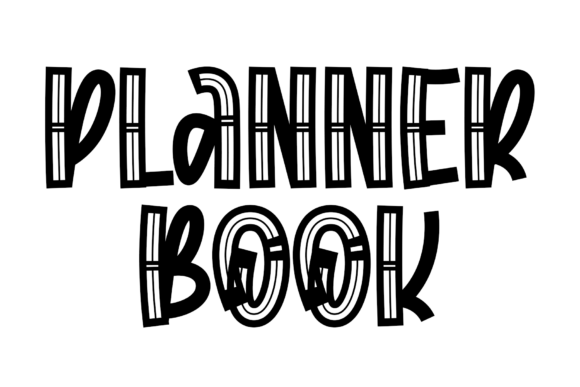
There’s a certain magic in the way a handwritten note feels—personal, warm, and alive with personality. In a digital landscape often dominated by sterile sans-serifs and predictable serifs, a typeface like Planner Book arrives like a burst of confetti. It’s not just a font; it’s an invitation to infuse your projects with a dose of authentic, human charm. This delightfully quirky display font, with its high contrast and thick, irregular strokes, doesn’t just sit on the page—it dances, it winks, and it makes planning feel like a joyful, artistic endeavor rather than a mundane task.
A Typeface with Character: More Than Just Pretty Letters
What sets a premium font like this apart from the thousands of available typefaces? Its power lies in its distinct personality. The thick visual weight gives it a strong, confident presence, perfect for grabbing attention in headlines or on product packaging. Yet, its charmingly irregular lines—the slight wobble, the varying baseline—prevent it from feeling rigid or overly polished. This handwritten font style operates as an exceptional standalone centerpiece. Imagine it on a minimalist canvas: a clean white background with a single, powerful statement rendered in Planner Book. The contrast is immediate and captivating. It doesn’t need a dozen supporting graphics; its own artistic posture is enough to carry the entire design, making titles look beautifully handmade and inviting.
From Digital Planners to Artisanal Menus: Where This Font Shines
The true test of a creative font is its versatility. Where does this particular typeface feel most at home? Its applications are surprisingly broad, catering to both digital creators and physical product designers.
- Digital Planner Layouts & Bullet Journal Stickers: For creators selling digital planning kits on Etsy or personal blogs, this font is a powerhouse. Use it for section headers like "Monthly Goals" or "Weekly Meal Plan" to instantly give your layouts a cozy, scrapbook-inspired feel. For printable sticker vectors, it can create charming labels for "To-Do," "Important," or "Celebrate!"
- Children's Products & Educational Materials: Its playful irregularity is perfect for engaging a younger audience. Think school notebook covers, teacher appreciation greeting cards, or educational poster titles. It communicates fun and approachability, making learning materials feel less intimidating.
- Small Business Branding & Packaging: An artisanal bakery’s menu board, a boutique coffee shop’s chalkboard special, or the label for a homemade jam—Planner Book adds a touch of handcrafted authenticity. It tells customers that care and personality have been poured into the product. This is crucial for building a brand identity that feels genuine and memorable.
- Crafting & DIY Projects: For the Cricut or Silhouette enthusiast, a bold, clean-cut handwritten font is a must-have. It’s ideal for creating custom vinyl decals, T-shirt designs, tote bags, and home décor quotes. The thick strokes ensure a clean cut and high visibility on finished projects.
Strategic Design: Pairing and Practical Application
While Planner Book is a stunning display font, its effectiveness is maximized when used thoughtfully. A common mistake is using a decorative typeface for body text, which can severely hamper readability. Its role is as the star of the show, not the supporting cast.
For branding and logo design, pair it with a clean, simple sans-serif font. The contrast between the quirky, artistic main font and a neutral companion creates a balanced and professional hierarchy. For instance, use Planner Book for your business name in the logo, and a font like Montserrat or Lato for the tagline or website address. This ensures your core identity is memorable while maintaining clarity.
In web design and blogs, limit its use to key headlines, pull quotes, or section titles. This draws the reader’s eye and breaks up content visually without overwhelming the page. For social media graphics, it’s perfect for creating standout quote images, announcement posts, or story highlights. Its inherent energy can significantly boost audience engagement by stopping the scroll.
When considering print materials like posters, flyers, or invitations, always conduct a readability test. Print out a sample at the intended size. Does the text remain legible from a typical viewing distance? For editorial layouts in magazines or lookbooks, it can create powerful, artistic chapter titles or feature headers that set a creative tone.
Making It Yours: Licensing and Final Thoughts
Before diving into a project, especially a commercial one, it’s essential to understand the licensing of your design assets. Most premium fonts, including high-quality display fonts like this one, come with specific licensing agreements. A standard license might cover personal projects and a certain number of commercial uses or print runs. If you’re a business planning to use the font on merchandise for sale (like T-shirts or mugs) or in a widely distributed digital product, you may need an extended or commercial license. Always review the included font styles and the license details provided by the creator to ensure you’re covered.
Ultimately, choosing a typeface is about finding a voice for your visual communication. Planner Book offers a voice that is joyful, handmade, and full of creative energy. It’s for the designer who wants to add warmth, the small business owner who wants to tell a story, and the crafter who wants to make something truly special. It’s a tool that doesn’t just organize thoughts—it dresses them in their most creative, vibrant outfit. So, the next time you’re faced with a blank canvas, consider giving your words this quirky, artistic posture. You might just find that planning, designing, and creating becomes a whole lot more joyful.