Midnight: A Handwritten Font with Heartfelt Charm
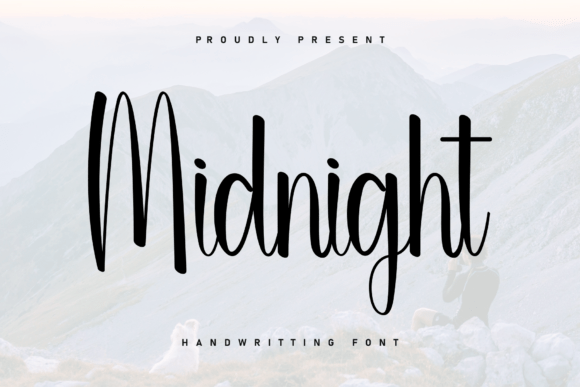
There's something undeniably special about a font that feels like it was made with care. Not the rigid precision of corporate typefaces, but the gentle imperfections that give words warmth and personality. Midnight is exactly that kind of typeface—a premium handwritten font that balances relaxed elegance with practical versatility. If you've ever struggled to find a script font that looks authentic without sacrificing readability, this one deserves a closer look.
Why Midnight Feels Different from Other Handwritten Fonts
Plenty of handwritten fonts exist, but many fall into predictable traps. Some look too casual, resembling hurried scrawl rather than intentional design. Others try so hard to appear polished that they lose the organic quality that makes script fonts appealing in the first place. Midnight threads that needle beautifully. Its smooth strokes carry a natural rhythm, and the letterforms flow with a sense of relaxed confidence. You get the impression that someone sat down and carefully crafted each character—not to show off, but to create something genuinely lovely.
That balance matters more than you might think. When you're building a brand identity or designing marketing materials, you need a typeface that communicates a specific mood without becoming a distraction. Midnight's personality suggests warmth, authenticity, and a personal touch. It works well for projects where you want to convey approachability—think boutique businesses, artisan products, wellness brands, or creative services. The font doesn't scream for attention. Instead, it invites the viewer in with a quiet kind of confidence.
Practical Applications That Actually Work
Let's talk about where Midnight shines in real projects. As someone who works with small business owners and creative entrepreneurs regularly, I've seen firsthand how the right font choice can transform a brand's visual presence. Here are some applications where a handwritten typeface like this one truly earns its place in your design toolkit.
Logo design and brand identity: If your brand leans toward the personal, artisanal, or boutique aesthetic, Midnight can serve as the foundation of your visual identity. A handwritten wordmark paired with a clean sans serif font creates an appealing contrast that feels both professional and approachable. Think about coffee roasters, florists, wedding planners, or independent skincare brands—these businesses thrive on personal connection, and a font like Midnight reinforces that narrative.
Packaging design: Shelf appeal matters enormously, especially for smaller brands competing against established players. Midnight's organic lines add character to labels, boxes, and product tags. It works particularly well for food products, candles, handmade goods, and cosmetics where the packaging needs to convey quality and craftsmanship. The font's smooth readability ensures that product names and descriptions remain clear, even at smaller sizes.
Social media graphics: This is where many content creators and marketers spend most of their design time. Instagram quotes, Pinterest pins, Facebook headers, and promotional graphics all benefit from a font that stands out without looking cluttered. Midnight's natural letterforms photograph well and maintain their charm across different screen sizes. Pair it with a simple background and a complementary serif font or sans serif typeface for clean, scroll-stopping posts.
Invitations and event materials: Wedding invitations, baby shower cards, milestone celebrations—these are moments where personal expression matters most. Midnight captures that celebratory warmth without crossing into overly decorative territory. Its readability makes it practical for essential details like dates, times, and locations, while its aesthetic elevates the overall presentation.
Website design and blogs: Used sparingly for headers, pull quotes, or accent text, Midnight adds visual interest to web layouts. A handwritten font in the right context draws the eye and breaks up the monotony of standard body text. Bloggers in lifestyle, food, travel, or creative niches often find that a script typeface helps establish a distinctive voice that readers remember.
Print materials and merchandise: Business cards, thank-you notes, tote bags, mugs, and stickers all benefit from typography that feels personal. Midnight translates well to physical products because its letterforms remain legible at various print sizes. For entrepreneurs selling merchandise, a font that looks good both on screen and in hand is invaluable.
Pairing Midnight with Other Typefaces
One of the most practical skills in design is learning how to combine fonts effectively. Midnight works best as a display or accent font rather than a body text solution. Its handwritten nature makes it ideal for headings, titles, and short phrases where personality matters most. For longer passages of text, you'll want to pair it with something more neutral and highly legible.
A classic approach is combining Midnight with a clean sans serif font. The contrast between the organic script and the structured geometric letterforms creates visual hierarchy without feeling disjointed. Alternatively, pairing it with a traditional serif font can evoke a more editorial, sophisticated mood—think lifestyle magazines or high-end brand collateral. The key is to let Midnight do the talking for key moments while supporting typefaces handle the heavy lifting of body copy.
Always test your font pairings in context. Drop your chosen combination into a mockup—whether that's a business card layout, a social media template, or a website header—and evaluate how the two typefaces interact. Look at spacing, scale, and overall harmony. Sometimes adjusting the size or weight of your secondary font is all it takes to achieve a balanced composition.
Readability Considerations Worth Noting
Every handwritten font comes with readability trade-offs, and Midnight is no exception. While its letterforms are clearer and more legible than many competing script fonts, it's still important to use it thoughtfully. Reserve it for display purposes where the text is large enough for readers to appreciate its details. Avoid setting entire paragraphs in any script typeface—this is a general rule that applies across the board, not just to Midnight.
Consider your audience and viewing context. Will your design be seen on a mobile screen at arm's length, or printed on a large poster? Adjust sizing and spacing accordingly. Test your layouts at the actual dimensions they'll be displayed. What looks perfect in a design application at 100% zoom might feel cramped or unclear when viewed on a phone screen or printed at a reduced scale.
Licensing and Commercial Use
Before incorporating any font into commercial projects, review the licensing terms carefully. This is especially important for designers working on client projects, businesses selling merchandise, or creators distributing digital products. Most premium fonts, including Midnight, come with specific licensing agreements that outline permitted uses. Understanding these terms upfront prevents headaches later and ensures your projects remain compliant. If you're working across multiple platforms or for multiple clients, verify that your license covers those scenarios.
Final Thoughts on Choosing the Right Font
Selecting typography for a project isn't just about aesthetics—it's about communication. The fonts you choose tell your audience something about who you are before they read a single word. Midnight offers a specific voice: warm, genuine, and thoughtfully crafted. It won't be the right fit for every project, and that's perfectly fine. No single typeface solves every design challenge. But for those moments when you need handwritten character with professional polish, it's a creative font worth having in your collection.
Take the time to experiment. Try it in different contexts, pair it with various typefaces, and see how it complements your existing design assets. The best typography decisions come from hands-on exploration, not just browsing font previews. When you find the right match between a font's personality and your project's goals, everything else tends to fall into place.