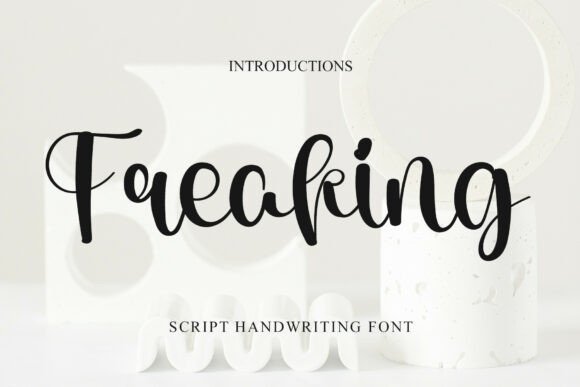
Freaking Font: Where Confidence Meets Calligraphy
There’s a particular kind of design challenge that calls for more than just clean lines and standard characters. You need typography that doesn't just sit on the page but commands it, a typeface with a distinct voice that speaks before the reader even processes the words. This is the space where a script font like Freaking excels. It’s a design asset built for moments that demand attention, blending the organic warmth of a handwritten font with the polished authority of a premium display typeface. For designers, entrepreneurs, and creators, understanding how to wield such a powerful tool can transform a project from simply good to truly memorable.
The Anatomy of a Commanding Script
What makes a font like Freaking feel both elegant and strong? It’s all in the details of its construction. Unlike delicate, flowing scripts that prioritize whimsy, this typeface is built on a foundation of confident strokes. The letterforms feature a dynamic flow, where each curve and connection feels intentional. You can see the influence of classic calligraphy in its structure, but it’s executed with a modern sensibility that prevents it from feeling dated. The terminals—the ends of the strokes—often have a slight, decisive flick, giving the font its signature energy. This balance is crucial; it’s what allows Freaking to be used for a luxury brand’s packaging design one day and a powerful motivational poster the next. It’s a creative font that carries weight without sacrificing its inherent stylishness.
Strategic Applications: Beyond the Wedding Invitation
While script fonts are often pigeonholed for romantic or formal events, a versatile typeface like this opens up a world of possibilities for commercial and creative projects. Its true value lies in its ability to inject personality and power into diverse contexts. Consider how it can elevate your work across different mediums.
- Brand Identity & Logo Design: For a boutique business, a personal brand, or a lifestyle company, using Freaking as the primary wordmark or in conjunction with a clean sans serif font can instantly establish a brand identity that is both sophisticated and approachable. It tells customers you value style and attention to detail.
- Packaging Design: On a product label, this font can make a statement. It’s perfect for artisanal goods, beauty products, or specialty foods where the packaging needs to convey quality and craftsmanship. Its readability at a glance on a shelf is a key consideration, and its bold strokes perform well here.
- Digital Presence: In the realm of web design and social media graphics, standing out is everything. Using Freaking for headline text on a landing page, for Instagram story quotes, or as a signature in a newsletter can boost audience engagement by breaking the monotony of standard web-safe fonts. It adds a human, editorial touch to digital layouts.
- Editorial & Print Layouts: Think about magazine features, book covers, or event posters. A font with this much character can anchor an entire editorial design, setting the tone for a feature story or creating an unmissable headline for a promotional poster.
- Merchandise & Invitations: From t-shirt designs and tote bags to formal invitations and thank-you cards, the application range is wide. The font’s inherent style ensures the final product looks professionally designed, whether it’s for commercial sale or personal celebration.
Practical Tips for Pairing and Presentation
Introducing a strong script font into your design toolkit requires a thoughtful approach to ensure it enhances rather than overwhelms. The goal is visual harmony and clear communication. Here’s how to integrate a font like Freaking effectively into your projects.
Master the Art of Font Pairing: A script font rarely works well as the body copy for a long paragraph. Its strength is in display use—headers, logos, and pull quotes. The key is to pair it with a complementary typeface that handles the heavy lifting of readability. A simple, geometric sans serif font creates a beautiful modern contrast, allowing the script to shine without competition. Alternatively, pairing it with a classic serif font can create a more traditional, editorial feel. Always test your font pairings in context to see how they interact in size, weight, and style.
Prioritize Readability in Application: While Freaking is designed with clarity in mind, all script fonts require careful consideration of size and background. Ensure there is sufficient contrast between the text and its background. For digital applications, test how it renders on different screen sizes. For print, consider the material—a highly textured paper might affect the legibility of fine swashes. A good practice is to always view your design at the intended final size.
Explore the Full Character Set: A professional, premium font often comes with more than just the basic alphabet. Look for features like stylistic alternates, ligatures, and additional swashes. These elements allow you to customize the look of your typography, creating unique letter combinations that add an extra layer of bespoke craftsmanship to your logo design or headline. Reviewing the full font package helps you unlock its complete creative potential.
Understand Commercial Licensing: This is a non-negotiable step for any professional project. Before using any font in client work, merchandise for sale, or widespread marketing assets, verify the license. Most reputable font foundries offer clear licensing options for desktop, web, and app use. Ensuring you have the correct commercial license protects both you and your client legally and supports the type designers who create these valuable tools.
Choosing the right typography is a foundational decision in any visual project. It’s not merely about picking something that looks pretty; it’s about selecting a tool that aligns with your project’s goals, communicates the right message, and enhances the overall user experience. A font like Freaking, with its blend of grace and authority, offers a powerful option for those moments when you need your design to speak with confidence and style. By understanding its character and applying it with strategic care, you can leverage its strengths to create cohesive, engaging, and professionally presented work that truly resonates with your audience.