Deserty: The Sweet, Friendly Font for Modern Designers
There’s a particular warmth that comes from something handwritten. It feels personal, immediate, and human—a quality that’s often lost in the sterile precision of digital communication. For designers, marketers, and entrepreneurs, capturing that authentic, approachable energy is a powerful tool. This is where a typeface like Deserty shines. More than just letters on a screen, it’s a visual voice that conveys friendliness and casual elegance, making it a versatile asset for a wide range of creative projects.
Understanding the Visual Personality of Deserty
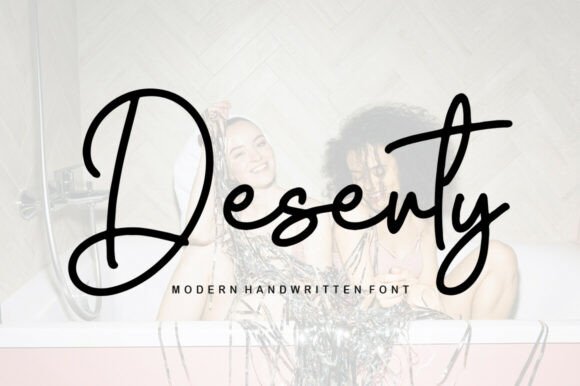
At its core, Deserty is a sweet and friendly handwritten font. Its characters flow with a natural, slightly uneven rhythm that mimics real penmanship. The letters are soft, with rounded edges and a gentle baseline, avoiding the harshness of many digital scripts. This gives it a fresh and casual feel, steering clear of overly formal or childish aesthetics. It strikes a balance that feels both modern and timeless, like a note written by a friend or a carefully crafted label on a boutique product. This visual personality makes it an ideal display font for projects that need a lovely, human touch without sacrificing clarity.
Unlike a rigid sans serif font or a traditional serif font, a handwritten font like Deserty adds an immediate layer of emotional connection. It suggests craftsmanship, care, and a personal stake in the message being delivered. This is a crucial consideration in modern typography, where the goal is often to stand out while still feeling relatable.
Where Deserty Truly Shines: Practical Applications
The real value of any creative font is measured by its utility. Deserty’s design makes it exceptionally adaptable across both digital and print landscapes, serving as a foundational element for cohesive brand identity.
Branding and Logo Design: For small businesses, especially in lifestyle, wellness, food, or artisan sectors, a logo is the cornerstone of identity. Deserty can form the primary wordmark or a complementary tagline in a logo design, instantly communicating approachability and authenticity. A bakery, a floral studio, or a handmade soap company could use it to signal their hands-on, quality-focused ethos.
Packaging and Print Materials: The font excels in packaging design, where shelf appeal is everything. It’s perfect for product names, flavor descriptions, or care instructions on labels, boxes, and bags. Beyond packaging, it brings life to print materials like business cards, thank-you notes, and letterheads, transforming mundane items into memorable touchpoints.
Digital Presence and Marketing: In the digital realm, Deserty is a workhorse. It’s highly effective for social media graphics—think quote images, Instagram stories, or promotional banners where you need to stop the scroll with a personal message. On websites and blogs, it can be used strategically for headlines, pull quotes, or author bios to break up text and add visual interest. As part of a broader set of design assets, it enhances everything from email headers to digital ads, ensuring marketing materials feel consistent and engaging.
Special Occasions and Editorial Layouts: Its most classic use remains in invitations for weddings, birthdays, and events. The font’s inherent sweetness sets the perfect tone for celebration. Similarly, in editorial design, such as magazine features or book chapter headings, it can add a layer of elegance and personal narration.
Integrating Deserty into Your Design Workflow
Simply liking a font isn’t enough; successful implementation requires strategy. Here’s how to leverage Deserty effectively to improve your project’s visual consistency and audience engagement.
Choosing the Right Font Style for Your Goal: Deserty likely comes with stylistic alternates, ligatures, or swashes. Explore these options. A simpler version might be best for body text on a website, while a more ornate style could be perfect for a hero image on a poster. Always match the font’s flair to the project’s tone—more flourishes for romantic invitations, cleaner lines for a modern merchandise design.
Mastering Font Pairings: A handwritten font rarely works alone. The key to professional presentation is pairing it with a complementary typeface. For readability, pair Deserty with a clean, neutral sans serif font for body copy or detailed information. This creates a beautiful contrast: the warmth of the script for emotion, the clarity of the sans serif for function. For a more traditional look, a simple serif font can also work well. Test these pairings in context to ensure they feel harmonious, not competing.
Prioritizing Readability: While Deserty is designed for legibility, handwritten fonts can become challenging at very small sizes or in long paragraphs. Use it for short bursts of text—headlines, subheadings, captions, and logos. For body text, especially on screens, opt for a more straightforward typeface. Always conduct a readability test by viewing your design at actual size and from a typical viewing distance.
Considering Commercial Licensing: If you’re using Deserty for a client project, a product you sell, or your own business, you must ensure you have the correct commercial font license. Most premium font licenses cover a specific number of users or projects. Review the license terms carefully to avoid legal issues down the line, ensuring your beautiful design is also professionally sound.
A Tool for Connection
In a crowded visual landscape, the details matter. The typography you choose is a silent ambassador for your message, shaping how your audience feels before they even read the words. Deserty offers a solution for those seeking to inject genuine warmth, friendliness, and a crafted feel into their work. It’s not about following a trend, but about selecting a tool that aligns with a goal: to connect. By thoughtfully applying its sweet, casual character, you can create designs that don’t just capture attention, but also build a bridge of relatability with the people you’re trying to reach.