Dad Tie: A Playful Font for Projects with Personality
There’s a certain charm to things that feel handmade—a wobbly line, a slightly uneven edge, a touch of human imperfection. In a world saturated with sleek, digital perfection, that organic quality can make a design feel instantly more relatable and warm. This is the exact space where the Dad Tie font lives. It’s not trying to be a serious, corporate typeface; it’s a creative, doodle-inspired font that brings a sense of fun, approachability, and genuine character to any project it touches. Think of it as the typographic equivalent of a hand-drawn card from a kid—full of heart and personality.
More Than Just a Name: The Visual Appeal of a Doodle Font
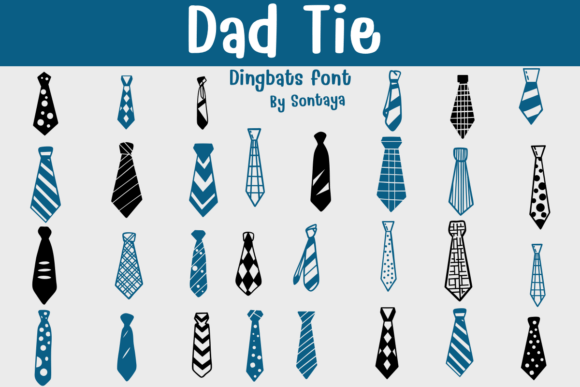
At first glance, Dad Tie presents itself as a display font with a distinct, handcrafted aesthetic. Its letterforms mimic the look of quick, confident marker strokes or a child's earnest drawing, making it a standout dingbats doodle cartoon style typeface. This isn't a refined serif font for long body text, nor is it a minimalist sans serif font. Instead, it’s a script font with a handwritten font vibe that prioritizes expression over strict legibility. The strokes are bold and playful, with a consistent weight that gives it a strong presence on the page or screen.
What makes it visually appealing is its authenticity. It avoids the overly polished look of many digital assets, instead embracing a raw, sketch-like quality. This makes it an excellent creative font for projects that need to break through the noise and feel personal. It’s the kind of typeface that can instantly set a tone—whether that’s whimsical, casual, nostalgic, or outright fun—without needing a single additional design element to explain itself.
Practical Applications: Where This Font Truly Shines
The true test of any premium font is how it performs in real-world scenarios. Dad Tie’s strength lies in its versatility for projects where personality is paramount. It’s a fantastic commercial font for applications where you want to inject energy and a human touch.
For branding and logo design, particularly for family-oriented businesses, children’s brands, pet services, casual cafes, or indie craft companies, this font can become the cornerstone of a friendly brand identity. Imagine it on a logo for a local bakery or a children’s bookshop—it immediately communicates warmth and approachability. In packaging design, it can make a product feel artisanal and personal, perfect for labels on homemade goods, snacks, or hobby kits.
Its impact extends powerfully into social media graphics. In a feed full of sterile, templated posts, a headline set in Dad Tie can stop the scroll. It works wonderfully for Instagram stories, quote graphics, announcements, and playful call-to-action text. Similarly, for websites and blogs, it can be used strategically for headlines, section titles, or featured quotes to add a burst of personality without compromising the overall readability of the site. Think of a parenting blog using it for article titles or a craft tutorial site using it for step headers.
The applications don’t stop at digital. It’s equally effective for print materials like posters for community events, school functions, or local markets. For merchandise—think t-shirts, tote bags, or mugs—this font style is ideal for slogans and designs that are meant to be worn or used casually. Invitations for birthday parties, baby showers, or casual gatherings gain an instant layer of fun and informality. Even in editorial layouts for magazines or zines targeting a creative audience, it can be used for pull quotes or subheadings to break the visual monotony. For creators selling digital products like planners, stickers, or printable art, incorporating Dad Tie can make the product feel more unique and valuable.
Integrating Dad Tie into Your Design Workflow
Using a display font like Dad Tie effectively requires a bit of strategic thinking. Its very strength—its bold personality—means it can overpower a design if used carelessly. The key is to treat it as an accent, not the main course.
Choosing the Right Context: Match the font’s personality to your project’s goal. Is your message playful, nostalgic, or informal? If yes, Dad Tie is a strong candidate. For a serious financial report or a luxury brand, it would be a mismatch. Always start by defining the emotional tone you need to convey.
Mastering Font Pairing: This is crucial. A creative font like Dad Tie needs a calm, stable partner. Pair it with a clean, highly legible sans serif font like Open Sans, Lato, or Montserrat for body text. This creates a pleasing contrast where the display font provides the flair and the sans serif ensures readability for longer passages. Avoid pairing it with other decorative or script fonts, as this will create visual chaos.
Testing for Readability: Always test your text at the actual size it will be viewed. A phrase that looks charming on a large poster might become illegible as a small website button. Use it for short, impactful headlines, logos, or single words. Avoid setting entire paragraphs in it.
Exploring the Font Files: A quality commercial font often comes with multiple styles. Dad Tie is available in OTF and TTF formats, ensuring compatibility across design software. Look for any alternate characters or ligatures it might include; these can add extra flair to your headlines. Furthermore, its availability as a ProcreateFont, Affinity Font, Affinity Designer Font, and Affinity Photo Font means it integrates seamlessly into popular digital illustration and design workflows, making it a versatile design asset.
Licensing for Commercial Use: Before using any font in a commercial project—whether it’s a client logo, a product for sale, or marketing assets—always verify the license. Ensure the license covers your intended use, whether for print, digital, merchandise, or client work. This due diligence protects you and respects the creator’s work.
Ultimately, Dad Tie is more than just a collection of letters. It’s a tool for injecting humanity and joy into your visual communication. When used thoughtfully, it can help your project stand out, connect with your audience on an emotional level, and build a memorable identity that feels genuinely you. It’s a reminder that sometimes, the most effective designs are the ones that don’t take themselves too seriously.