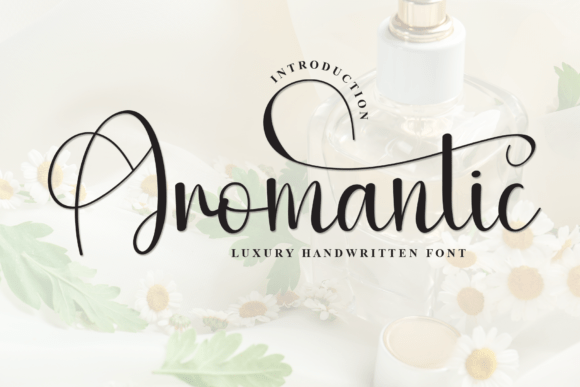
Aromantic: The Ultra-Elegant Handwritten Font for Premium Brands
There's a moment in every design project where the typography either whispers luxury or shouts chaos. For creators working in the premium space—whether you're designing a high-end perfume label, curating a boutique wellness brand, or crafting wedding stationery that feels genuinely special—the difference often comes down to one choice: the right typeface. Aromantic enters this conversation as a handwritten font that doesn't just mimic elegance; it embodies it through deliberate, thoughtful design choices that prioritize breathing room, optical balance, and poetic restraint.
What Sets This Premium Font Apart
Most handwritten fonts fall into predictable traps. They're either too casual, too ornate, or too cluttered to work in professional contexts. Aromantic sidesteps these issues by embracing what designers call "generous optical kerning"—essentially, the spacing between letters has been carefully adjusted so each character sits comfortably next to its neighbors without crowding. The result is a typeface that feels spacious and light, even when used at larger sizes where every curve and stroke becomes visible.
The airy proportions aren't accidental. When you place Aromantic over a soft cosmetic flat-lay or layer it onto white linen photography, the negative space around each letterform actually enhances the composition. Instead of competing with your imagery, the typography supports it. This quality alone separates a truly useful design asset from a decorative novelty. The font breathes with the layout rather than suffocating it, which is precisely what premium branding demands.
Visually, Aromantic reads as sophisticated without being stiff. The letter connections feel organic rather than forced, and the baseline has a gentle natural rhythm that mimics authentic handwriting without descending into illegibility. It strikes that rare balance where the font feels personal and crafted, yet clean enough for commercial applications across multiple industries.
Real Applications for Real Projects
Let's talk specifics, because understanding where a font genuinely works matters far more than admiring it in a specimen sheet.
Branding and Logo Design: If you're building an identity for a luxury spa, a boutique cosmetics line, or a high-end candle company, Aromantic functions beautifully as a primary logotype or as a complementary wordmark. Pair it with a clean sans serif font for body copy, and you've got a visual system that communicates refinement without pretension. The handwritten quality adds warmth and human touch—qualities that resonate with consumers seeking authenticity in premium products.
Packaging Design: Think about the last time you picked up a product purely because the label felt special. Typography plays an enormous role in that reaction. Aromantic works exceptionally well on packaging for perfumes, skincare serums, artisanal chocolates, and similar products where the unboxing experience matters. Its delicate strokes translate well to foil stamping, embossing, and even simple single-color printing on textured paper stocks.
Wedding and Event Stationery: For romantic wedding identity design—from save-the-dates to day-of signage—this typeface brings an emotional quality that standard script fonts often miss. It doesn't look like a template. It looks like someone cared enough to choose something thoughtful, which is exactly the message wedding clients want to send.
Social Media and Digital Content: Content creators and social media managers working with lifestyle, beauty, or wellness brands will find Aromantic useful for Instagram quotes, Pinterest graphics, and story overlays. When you're competing for attention in a crowded feed, typography that feels distinctive without being distracting gives you an edge. Use it for headlines and pull quotes, reserving a more legible typeface for longer text passages.
Web Design and Blogs: On websites, Aromantic works best in controlled doses—think hero section headlines, about page introductions, or section dividers on a wellness blog. Pair it thoughtfully with a readable serif or sans serif for paragraphs, and the contrast creates visual hierarchy that guides visitors naturally through your content.
Print Materials and Editorial Layouts: From boutique lookbooks to premium business cards, this font adapts well to print contexts. Its clean rendering at various sizes means you won't encounter the fuzzy edges or awkward ligatures that plague lesser handwritten typefaces when sent to a professional printer.
Choosing Typography That Actually Serves Your Goals
Here's something worth remembering: a beautiful font is only valuable when it serves the project's purpose. Before selecting any typeface—including Aromantic—ask yourself three questions.
Who is the audience? Aromantic appeals to consumers who value craftsmanship, femininity, romance, and understated luxury. If your brand skews toward bold, industrial, or tech-forward aesthetics, this probably isn't your match. But if your audience shops at artisan markets, reads design magazines, or gravitates toward boutique experiences, you're in the right territory.
What's the primary medium? This font excels in contexts where it can breathe—large display sizes, generous margins, clean backgrounds. It's not designed for dense body text or small-scale legal copy. Use it strategically where visual impact matters most, then complement it with a workhorse typeface for everything else.
How does it pair with your existing visual language? Font pairing is where many projects succeed or struggle. Aromantic pairs naturally with geometric sans serifs like Montserrat or Futura for a modern contrast, or with elegant serifs like Cormorant Garamond for a more traditional, layered feel. Test combinations in context—mock up a business card, a social post, and a product label before committing. What looks stunning in isolation sometimes clashes when placed alongside your specific brand colors and imagery.
Practical Considerations Before You Commit
Before integrating any premium font into your workflow, review the licensing terms carefully. Commercial fonts typically require specific licenses depending on usage—desktop, web, app, or server. Make sure the license covers your intended applications, especially if you're designing for clients or selling products that incorporate the font. This isn't just legal housekeeping; it protects your business and respects the type designer's craft.
Also, examine what styles and weights are included. Some handwritten fonts come with alternates, ligatures, or stylistic sets that let you customize the look further. Knowing what's available in the font file means you can extract more value and create more varied designs without needing additional typefaces.
Readability always deserves attention. Test your chosen font at the actual size it will appear in your final design. What looks legible at 72 points on your monitor might become indecipherable at 14 points on a printed label. Adjust letter spacing, line height, and font size until the text communicates clearly while retaining its character.
Building a Cohesive Brand Identity
Consistency is the backbone of brand recognition. When you select a typeface like Aromantic for your brand identity, commit to using it systematically across touchpoints—your website headers, your packaging, your email signatures, your social templates. This repetition builds familiarity. Over time, your audience begins associating that particular typographic voice with your brand, even before reading the words themselves.
That said, consistency doesn't mean rigidity. Use Aromantic where it shines—headlines, hero text, accent moments—and allow your supporting typography to handle the heavy lifting. This layered approach to modern typography creates depth in your designs while maintaining a unified brand voice.
For entrepreneurs and small business owners building brands on limited budgets, investing in one or two well-chosen premium fonts often delivers better results than downloading dozens of free alternatives. Quality typefaces are designed with intention, tested across contexts, and built with technical precision that shows up in the final product. Aromantic represents that kind of investment—a creative font that earns its place in your design toolkit through consistent, reliable performance across the projects that matter most to your brand's visual story.